Evening before Nyepi (Tilem Kesanga, Balinese New Year eve)
Ogoh-ogoh Parade
Location
Bali
Date & Time
Evening before Nyepi (Tilem Kesanga, Balinese New Year eve)
The night before Nyepi, communities parade enormous papier-mâché demons through the streets with torches, gamelan, and shouting — then burn them to banish evil spirits before Bali's Day of Silence.
The Ogoh-ogoh parade — held on the evening of Tilem Kesanga (new moon before Nyepi) — is one of Bali's most visually spectacular public events. In the weeks leading up to Nyepi, every banjar (community group) across the island constructs a giant effigy, typically 3–6 metres tall, representing a bhuta kala (demonic spirit) in increasingly elaborate and imaginative form. The finest examples are true sculptures: painted, gilded, and built on bamboo frames by teams of young men working evenings after school and work.
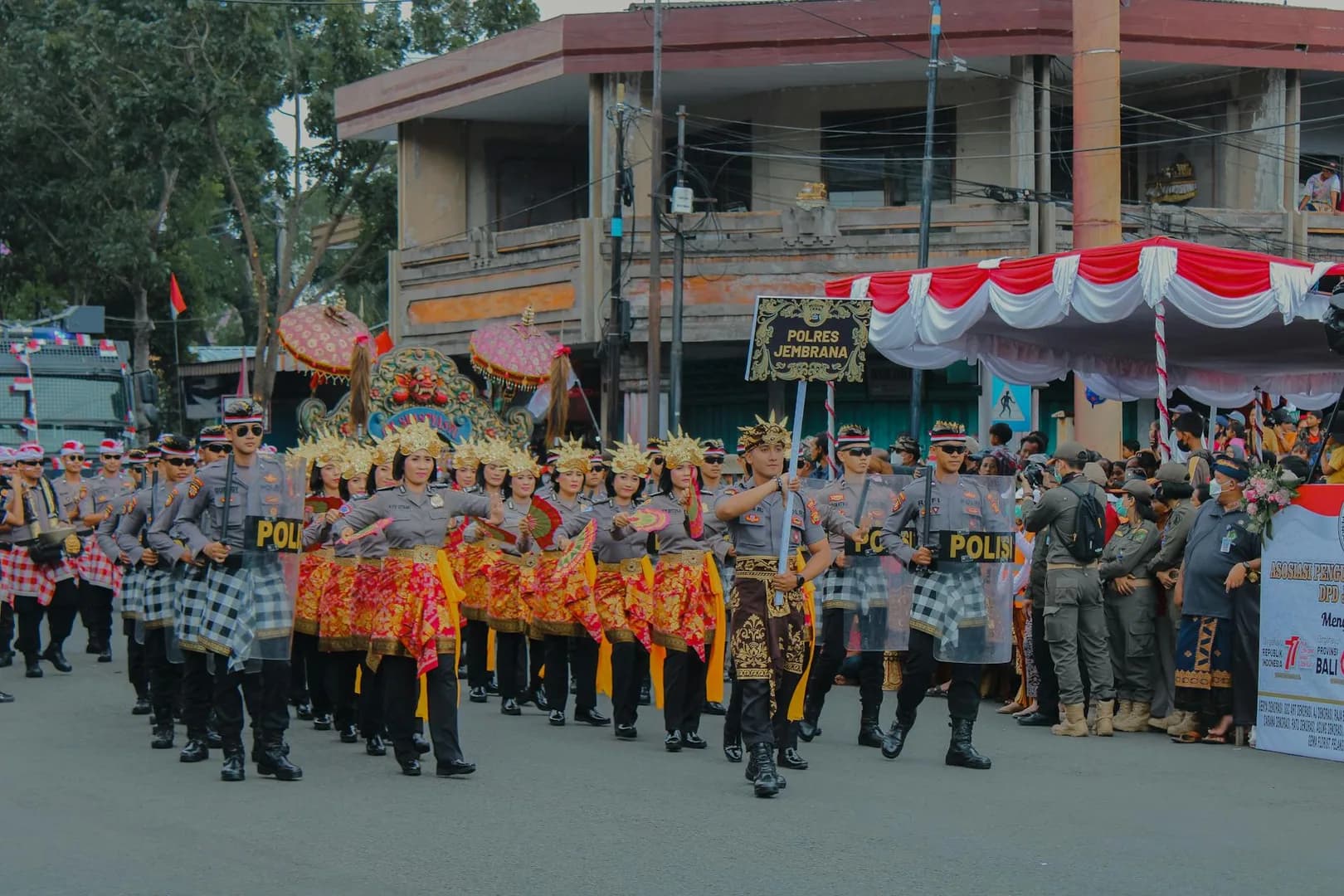
On the night of Ngrupuk (the eve of Nyepi), these giants are shouldered aloft on bamboo platforms and paraded through the neighbourhood in a torchlit procession accompanied by a gamelan beleganjur ensemble whose crashing cymbals and drums are intended to confuse and drive away evil spirits. The bearers spin the ogoh-ogoh in circles at every intersection — a ritual act to disorient any demons that might be hiding there. The crowds follow with lit torches, incense, and chanting.
The parade culminates at the village's main crossroads or central space, where the ogoh-ogoh are burned — symbolically destroying the demons and purifying the community before the absolute silence of Nyepi the following day. Some banjars keep their finest ogoh-ogoh unburned for art competitions. Watching the parades in a residential Balinese neighbourhood — rather than the tourist-oriented shows in Kuta — gives an authentic sense of the pride and communal effort that goes into these extraordinary temporary sculptures.