Nyepi In Bali – Everything you need to know about Bali’s Day of Silence
What is Nyepi?
Nyepi, also known as the “Bali Day of Silence,” is a key event in the Saka New Year calendar, which is observed following the new moon in March. The island comes to a standstill for 24 hours, with no lights, music, nor noise; transport is halted, and everyone must stay at home. It is a time for reflection, meditation, and self-purification. Nyepi is a profoundly spiritual and cultural celebration, and participating in it is a truly once-in-a-lifetime experience. If you’re planning a trip to Bali, experiencing Nyepi in Bali should definitely be on your itinerary. It will give you time to disconnect from the chaos of daily life and connect with the stillness within.
Why is Nyepi Celebrated?
Nyepi honours the Balinese New Year. Although non-religious inhabitants may still celebrate their new year, it is primarily rooted in the island’s Hinduism. Unlike the rest of Indonesia, about 87% of Bali identifies as Hindu.
According to the Hindu traditions of Bali, Nyepi represents the efforts of the people to maintain balance and harmony. The ritual is also meant as a reminder of the constant battle between good and evil. It also symbolises the island’s purification of evil spirits in preparation for the New Year.
When is Nyepi?
Nyepi occurs according to the Balinese Saka calendar. It is a celebration of the Balinese New Year. According to the Balinese calendar, in 2024, Nyepi officially falls on Monday, the 11th of March, after the new moon. The celebration lasts for 24 hours and starts at 6 AM and continues until 6 AM on the 12th of March. Since this Balinese calendar is lunar, it only sometimes coincides with the typical Gregorian calendar. If you are trying to visit Bali during Nyepi or avoid it, make sure that you double-check when Nyepi will be.
Embracing the Silent, Spiritual Essence of Nyepi 2024
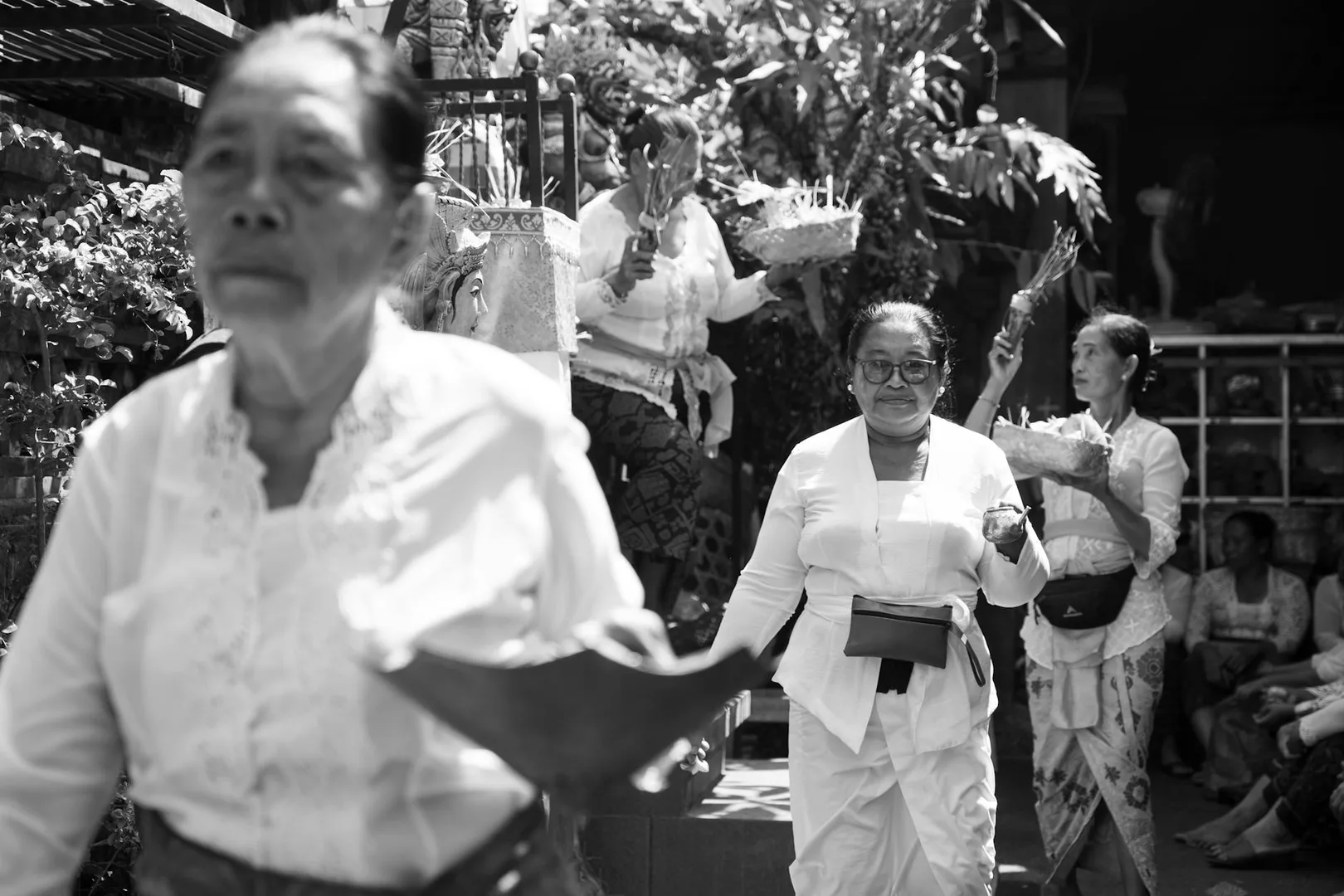
Nyepi is a deeply rooted cultural and religious festival in Bali. Two days before Nyepi in Bali, several traditional and religious ceremonies are performed. Among these is the Melasti ceremony, where the Balinese people carry God symbols to the beach to purify them with holy water. This ceremony is believed to cleanse both the human body and the earth from badness and negative spirits. On the day before Nyepi, the Mecaru ceremony is held: rice is spread around the house whilst a kentongan drum, made from bamboo, is beat until it is noisy. This ceremony symbolises the expulsion of Bhuta Kala, negative energy, from the residence. The Mecaru ceremony is accompanied by the Ogoh-ogoh parade, also known as “ngerupuk” or “pengerupukan,” where giant mythical creatures are paraded around the streets to scare off negative energy. These traditions and ceremonies are a vital part of the Nyepi festival and showcase the deep cultural and religious heritage of the Balinese people.
The day after Nyepi is Ngembak Geni, which means “lighting the fire.” It is a day of forgiveness and reconciliation, where people visit their families and friends to ask for forgiveness and start anew. The rules and silence of Nyepi is lifted, and the Balinese Hindus celebrate the end of the Day of Silence with joy and festivities. Nyepi is an excellent opportunity for visitors to experience Bali’s rich culture and traditions. It is a time for self-reflection, purification, and forgiveness, where one can connect with the Balinese Hindu’s way of life and spirituality.