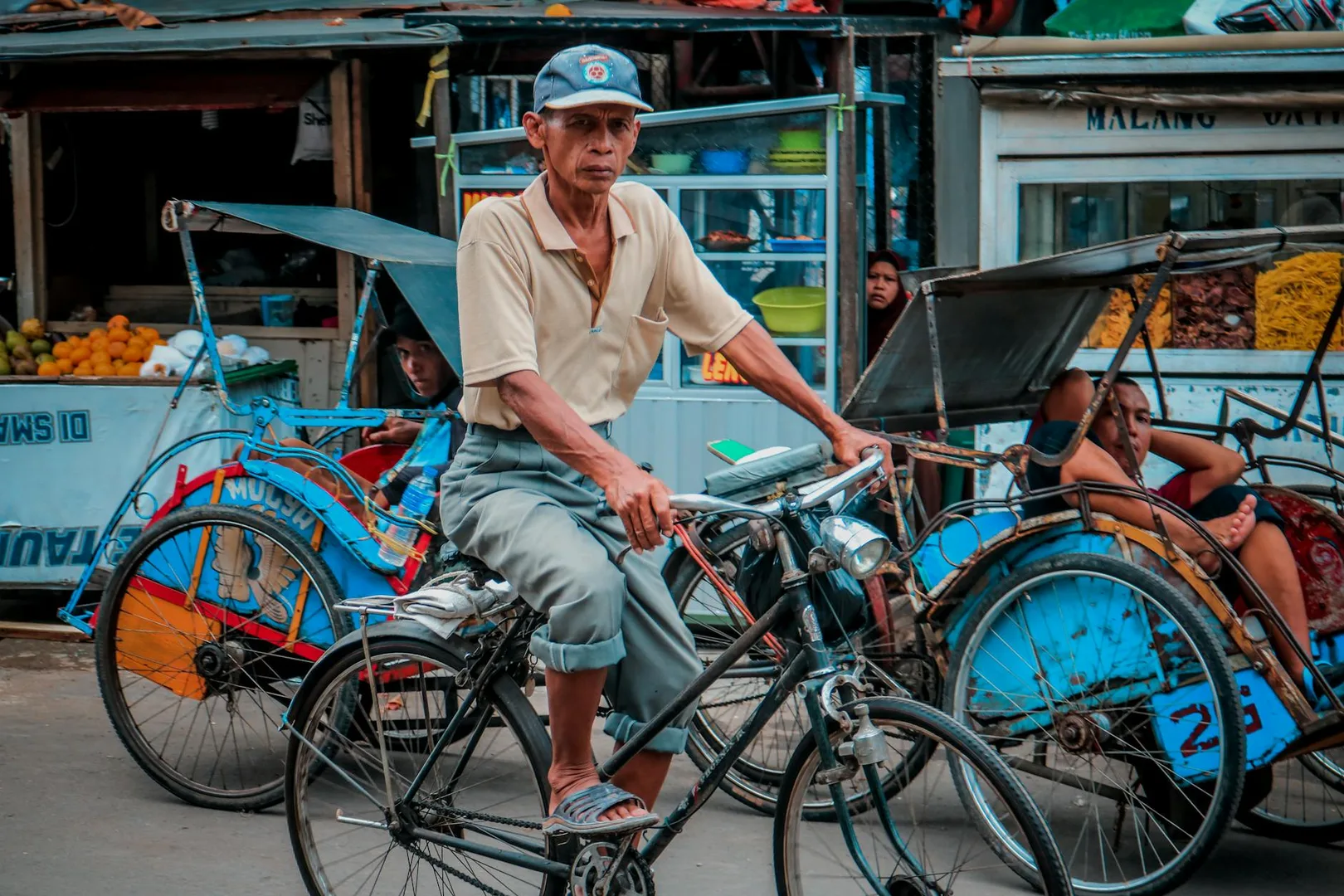
Pasar Badung is the commercial and cultural heart of Denpasar — the largest traditional market in Bali, operating around the clock across four floors of a purpose-built building on the Badung River. The market has been the primary wholesale and retail hub for Bali's agricultural economy for over a century, and despite the growth of supermarkets and modern retail, it remains the essential source for ceremonial goods, fresh produce, and spices that Balinese households rely on for daily cooking and religious ritual. The pre-dawn hours (3–6 a.m.) are the market's most atmospheric: wholesale buyers arrive for the vegetable, fruit, and flower auctions that set Bali's market prices for the day. Pyramids of white frangipani, pink chrysanthemums, and orange marigolds — all destined for temple offerings — fill the ground floor with fragrance. The spice section on the first floor carries every ingredient used in Balinese cuisine: galangal, turmeric, lemongrass, kaffir lime leaves, terasi in multiple grades, palm sugar in wrapped blocks, and dried chilies in varieties rarely seen outside the island. The ceremonial goods on the upper floors — woven palm-leaf offering trays (nampan), incense sticks bundled by the hundred, red-and-white sacred threads, lontar manuscripts, and temple ornaments — make Pasar Badung invaluable for understanding what Balinese religious life actually requires at the practical level. The market wraps around into Pasar Kumbasari across the river (accessible by a small bridge), which specialises in textiles, garments, and handicrafts.
Discover Bali
Loading latest insights and destination guides...