Things to do nearby
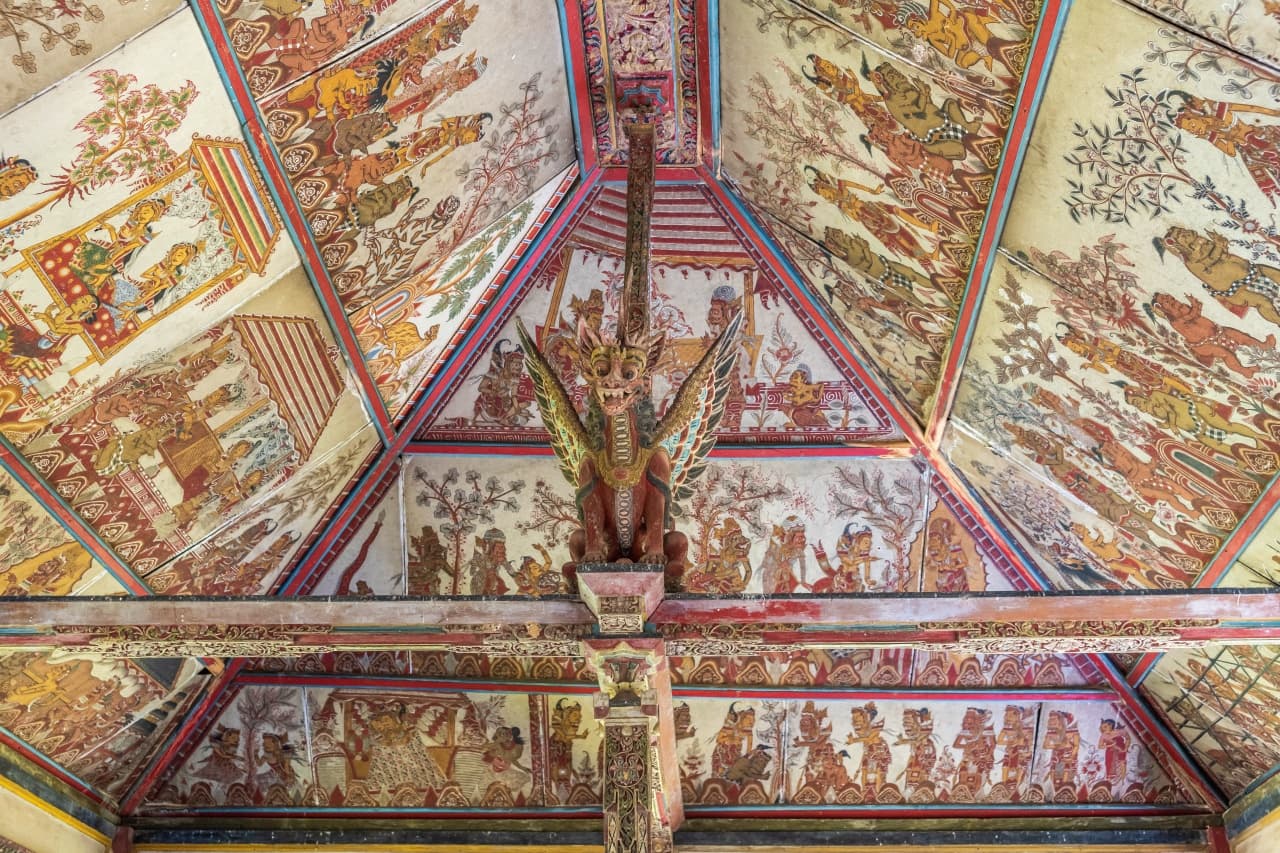
There are many other attractions you can visit near Goa Gajah. Those who love observing Balinese art and heritage should try to visit Blanco Renaissance Museum. Just about 6 km from Goa Gajah, this spot showcases masterpieces from Antonio Blanco, a Spanish painter born in the Philippines. He fell head over heels with Bali during his trip in 1952. The gallery showcases many of his paintings, many of which illustrate his life in Bali. Stroll around the gallery and view Antonio's artwork. Observe his deep love of Bali in his paintings -- dedicated to the life of local Balinese and its mesmerizing culture.
Want to experience another historical site in Bali? You should go to Pura Taman Saraswati or Saraswati Temple. This spectacle offers beautiful sightseeing experience, with a lotus pond and grand Balinese temple architecture. Be sure to take photos and get a glimpse of its nature here. You can easily reach Saraswati Temple with a 12-minute car drive from Goa Gajah.
If you prefer a refreshing view of the water, one site to visit nearby is Goa Rang Reng Waterfall. Unlike other waterfalls, this bliss flows through the rocky stream. Just about 7.6 km away from Goa Gajah, you can visit two different pathways: the waterfall itself and a sacred cave you can also explore. This spectacle is perfect for adventure-seekers!
How to get there
To reach this ancient cave, you can rent a car or a motorbike. It’s easily reachable as it is about 5 km from the center of Ubud and around 26 km from Denpasar. From Ngurah Rai International Airport, you will only need to take an hour drive to visit Goa Gajah.
While you plan your travel to this destination, be sure to always implement CHSE (Cleanliness, Health, Safety, and Environmental Sustainability) protocols. This includes washing your hands, wearing your mask, and keeping physical distance while in public areas.
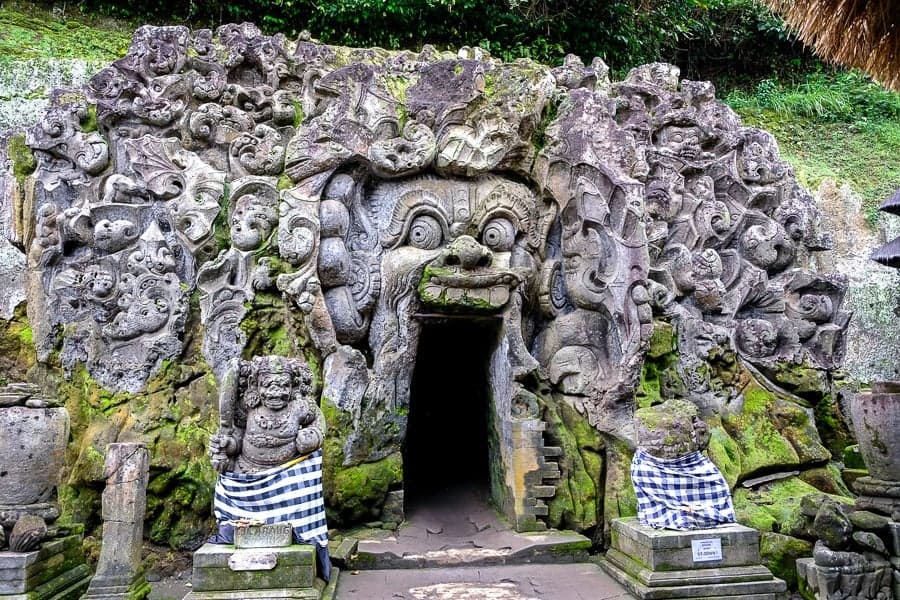
Why it’s awesome: Goa Gajah, also known as the Elephant Cave, is situated just outside Ubud. The spiritual spot dates back to the 9th century, and is thought to have been built as a centre for meditation. There are pools where devotees take to the waters for ceremonial cleansing, and the cave features ancient rock carvings.
There’s a cave for meditation and there are many statues throughout the courtyard.
What to do there: Walk down the steps to reach the courtyard, where you can see a variety of Hindu and mythological statues alongside ancient stone carvings. Watch as locals perform bathing rituals in the pool, and take note of the water spouts that look like angels in the Hindu beliefs. Go into the cave and see cloth-wrapped statues and rock art. It’s interesting to see the difference between the Buddhist sections of the complex and those that are Hindu focused.